
- 1Every time you can't say no, someone else is deciding how your day, your time, and your money get spent — not you.
- 2People who can't say no aren't kind. They're afraid. And the people around them can always tell the difference.
- 3The moment someone senses you need something from them, your 'no' quietly stops being an option — for them, not for you.
- 4Loyalty that isn't reciprocated isn't loyalty. It's leverage someone else is using against you.
- 5Saying no once, clearly, costs you a few uncomfortable seconds. Not saying no costs you hours, respect, and sometimes your money — every single time, for years.
- 6You don't need confidence to say no. You need a decision made before the moment arrives, not during it.
Not Saying "No" Is Quietly Making You Poor
He didn't lose the meeting. He lost the one hour he had left to ask for the one thing he actually came for.
Published: July 12, 2026 · 15 min read · By Veeresh Bashetti
A Habit So Small You Don't Notice It's Costing You Anything
Nobody sits you down and tells you this one. There's no chapter for it in the personal finance books, no line item in the budgeting spreadsheets, no video titled "The Real Reason You're Broke." And yet, if you actually tracked it — every hour, every favor, every meeting you didn't want to attend, every commitment you agreed to out of fear instead of desire — you'd find one of the biggest leaks in your life hiding in plain sight.
It isn't your spending. It isn't your salary. It's your inability to say one two-letter word.
No.
We talk about the ₹13,000 mistake, the impulse buy, the subscription nobody remembers to cancel. Those are real. But there's a quieter, more expensive habit sitting underneath most of them — the habit of saying yes when every part of you wanted to say no, because no felt like the more dangerous option in the moment.
This isn't a productivity post. It's not a "10 scripts to say no at work" listicle either, though I'll give you some of those further down. This is about something a friend of mine went through recently — a small, almost forgettable incident on the surface — that ended up teaching me more about money, power, and self-respect than most finance books I've read. I want to walk you through exactly what happened, and then unpack why it matters far beyond that one office, that one manager, and that one afternoon.
The Letter That Was Supposed to Take Five Minutes
This isn't my story. It's my friend's. But I watched enough of it happen in real time that it stayed with me — and I think it needs to be said out loud, for every young employee who has ever waited outside a manager's cabin holding nothing but hope and a folder.
My friend had finished his internship. Just one thing was left: the completion letter. And inside that letter, one detail mattered more than anything else — the dates had to reflect the actual, recent days he had completed. That single correction was the entire reason he had come to the office that day.
He was told to wait. So he waited.
Ten minutes. Twenty. Forty. An hour.
When the manager finally walked out, it wasn't to hand over the letter or hear the request. It was to say: "We're heading into another meeting. Go with madam, we'll sort your thing later."
And here is the part that stayed with me the most — my friend didn't say no.
Not because he didn't want to. Because he couldn't find the words in that moment. He needed that letter with the correct dates. He'd been job hunting for over a month with nothing to show for it. And somewhere underneath all of it was a quieter, more painful calculation: if I refuse, will this come back to hurt me?
So he went to the meeting. The letter waited. His actual need waited. His time — the only real currency he had that day — did not.
What Actually Happened in That Hour
Let's be honest about what this was, because it's easy to read this as "bad luck" or "a busy manager." It wasn't.
A manager who repeatedly doesn't honor commitments, who makes a person wait an hour for a two-line correction, and who then redirects that same person into unrelated, unpaid work the moment they show up vulnerable — that isn't disorganization. That's a pattern. And patterns aren't accidents.
Here's the part that took me a while to fully understand: my friend's "yes" that day wasn't really consent. It was calculated fear disguised as flexibility.
He wasn't being a team player. He was protecting a letter he hadn't received yet, from a person who had already shown him — repeatedly — that commitments made to him didn't carry the same weight as commitments made by him. And the manager, whether deliberately or not, benefited from that. When you sense that someone needs something from you more than you need anything from them, their "no" quietly stops being available to them. Not because they lost the right to say it — but because you've correctly calculated that they won't.
That is not loyalty. That is leverage. And the two get confused constantly, especially by people who are good, agreeable, and a little bit desperate — which describes almost every fresher and every intern I have ever met, including, at some point, myself.
Watch: Why Saying No Feels So Much Harder Than It Should
Before you keep reading, spend 10 minutes on this — it explains, better than I can, why the fear of saying no isn't really about the other person at all. It's about what we've quietly decided our worth depends on.
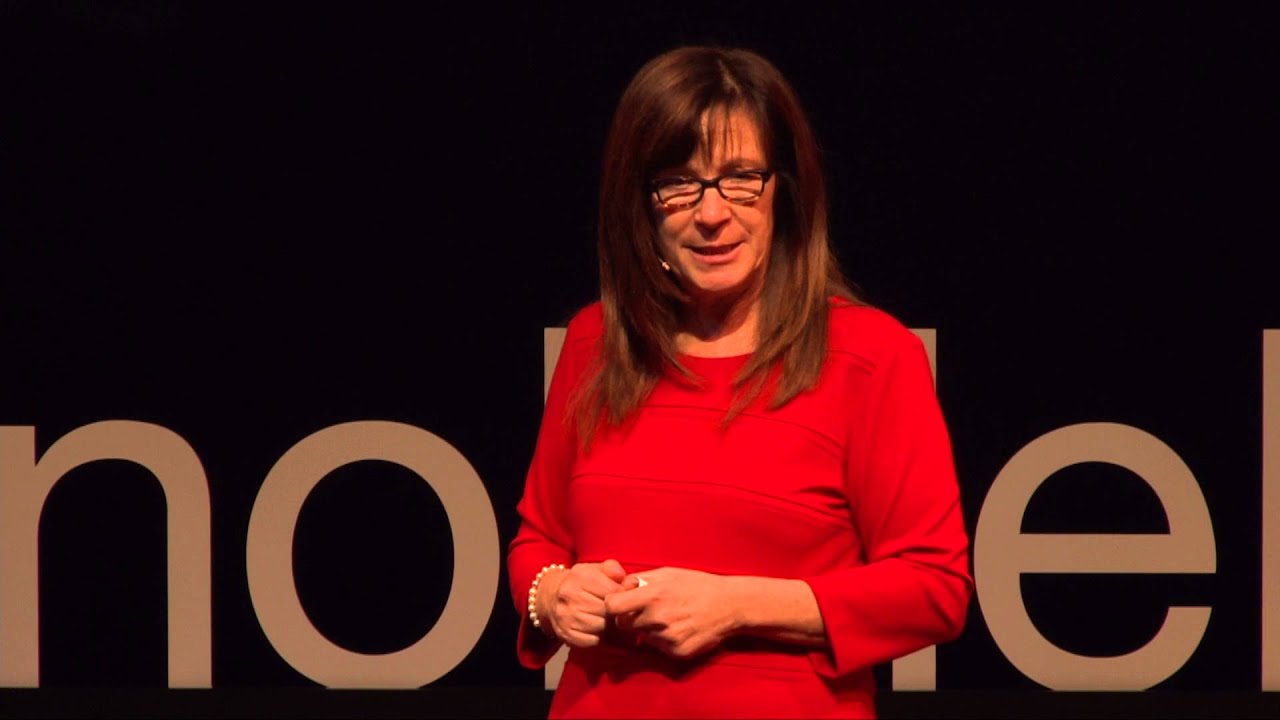
The core idea is simple and it will stay with you: a boundary isn't a wall you build against someone else. It's a compass you carry for yourself. Every time you don't use it, someone else ends up holding it instead.
Why "Yes" Feels Safer Than "No" — Even When It Costs You More
If you've ever been in my friend's position, you already know the real reason "no" doesn't come out. It's rarely about the task itself. It's about what saying no might trigger.
You're afraid it will look like you don't need the job. Even when you do — maybe especially when you do.
You're afraid it will affect the reference, the recommendation, the "good word" you're hoping for later. Managers rarely say this out loud. They don't have to. The fear does the work on its own.
You're afraid of being seen as difficult, in a culture — especially in Indian workplaces — where being "adjustable" is quietly rewarded and being "particular" is quietly noted against you.
You're afraid the moment will pass and you won't get another one. My friend had already waited an hour. Saying no to the meeting felt, in that instant, like it might cost him the letter entirely.
You're afraid of the silence right after you say it. That two-second gap where the other person's face changes, where you can't take it back, where you don't yet know how they'll react. Most people cave in that exact gap — not because the no was wrong, but because the silence felt unbearable.
None of these fears are stupid. They're rational responses to a real power gap. But here's what almost never gets said plainly: the fear of the bigger loss is exactly what someone else can use to make you accept a smaller one, over and over, until it becomes the whole relationship.
This is not unique to internships. This is salary itself, working exactly the way it's designed to work — the fear of losing the thing that saves you becomes the same fear that traps you.
The Cost of Not Saying No (That Nobody Adds Up)
We talk about money mistakes all the time — the ₹13,000 spent on the wrong thing, the impulse buy, the subscription nobody cancels. Nobody talks about this one, and it's bigger than most of them combined:
Every "yes" you didn't mean to give is a withdrawal from an account you can't see.
My friend didn't hand over money that day. He handed over an hour, a piece of leverage, and — quietly — a small piece of the version of himself who believed his time was worth defending. Multiply that by every week, every manager, every "just this once" that becomes the default. That's not a bad day. That's a slow leak, the same kind that quietly drains a bank account one small decision at a time — except this leak drains something harder to refill than money.
And the cruelest part is that it's invisible while it's happening. You don't feel poorer in that meeting. You feel busy, even useful. It's only later — waiting again, for the letter that still hasn't come — that the actual cost becomes obvious.
Think about what a single unclaimed "no" actually compounds into over a career:
The unpaid hour becomes an unpaid pattern. One meeting you didn't sign up for becomes the expectation that you're always available for the next one, because you never corrected it the first time.
The overlooked request becomes the accepted norm. If your one clear ask — a corrected date, a promised raise, a promotion conversation — gets deprioritized once without pushback, it gets deprioritized every time after, because you've shown that deprioritizing it costs the other person nothing.
The small compromise becomes the identity. After enough of these moments, you stop being "someone who is currently finding it hard to say no" and start becoming, in other people's eyes and eventually your own, "someone who always says yes." That reputation is efficient for everyone around you and expensive for you alone.
None of this shows up on a bank statement. It shows up in the quiet, accumulated sense that your time somehow belongs to everyone except you.
The Three Kinds of "No" You're Probably Avoiding
Not all refusals are the same, and treating them as if they are is part of why saying no feels so paralyzing. In my friend's story, and in most workplace situations, there are really three different kinds of no hiding inside one moment.
1. The task no. "I can't take this on right now." This is the easiest one, and usually the one people practice first. It's about your time, your bandwidth, your calendar.
2. The commitment no. "You told me this would happen by today, and it hasn't — I need it resolved before I do anything else." This is harder. It requires naming that someone broke a promise, out loud, to their face. My friend never got the chance to say this one, because he was moved past it before he could.
3. The identity no. "I'm not the kind of person who gets pushed around when I need something." This is the hardest of all, because it isn't really said to the other person — it's said to yourself, first, before anything else becomes possible. Every task no and commitment no is downstream of whether you've made peace with this one.
Most people try to practice the first kind and wonder why it doesn't stick. It doesn't stick because the third kind hasn't been settled yet. Once you've quietly decided, for yourself, that your time and your word matter as much as anyone else's, the first two get dramatically easier to say out loud.
How to Actually Say No — Without Becoming the Villain of the Story
This is the part I want to be genuinely useful about, because "just say no" is the kind of advice that sounds true and helps nobody.
1. Decide your one non-negotiable before you walk in. My friend didn't need to win the whole interaction. He needed one thing: the letter, with the correct dates. If he had walked in already knowing that was the line, the meeting request would have been easy to separate from it: "I'll join after — I just need five minutes on the letter first." Clarity beforehand removes the need for courage in the moment.
2. Say it plainly, not apologetically. "Sorry, I don't think I can, but—" invites negotiation. "I came for the letter, can we do that first" does not. Politeness is in your tone. Clarity is in your sentence. You don't need both to fight for the same job.
3. Separate the person from the pattern. You're not refusing the manager as a human being. You're refusing to let one unreliable pattern repeat one more time. That distinction makes the no about the behavior, not about you being "difficult" — and it usually comes out calmer because of it.
4. Use a holding sentence when you need a few seconds. If the words won't come out in time, a simple bridge works: "Give me a second — before that, can we finish what I came for?" This isn't a full no. It's a pause that buys you the space to find your actual one. Most people fail to say no not because they lack the will, but because they need three more seconds than the conversation gives them. Build the bridge sentence in advance, and you'll always have those three seconds.
5. Expect discomfort, not disaster. The fear says: if I say no, everything falls apart. The reality, almost every time, is: a few awkward seconds, maybe a flicker of surprise on the other person's face, and then life continues. The disaster almost never arrives. The awkwardness always does, and it always passes.
6. Practice on low-stakes situations first. You don't build the muscle to say no to a manager by attempting it for the first time with a manager. Start smaller — decline a plan you don't want to attend, correct a small inaccuracy in a casual conversation, say "actually, I'd rather not" to something trivial. Each small, successful no makes the next, slightly bigger one easier to access.
7. Remember what silence actually costs. Every time you don't say no, you're not avoiding a cost. You're just paying a different one — usually a bigger, quieter one, spread out over more hours than the "no" would have ever taken.
What This Has to Do With Being "Loyal"
There's a specific trap that good employees fall into, and my friend's story is a clean example of it: mistaking compliance for loyalty.
Real loyalty is a two-way commitment — you show up for the people and the organization, and in return, your basic needs and agreements are honored too. What happened in that hour wasn't loyalty being tested. It was loyalty being quietly redefined, by someone with more power in the room, as "the willingness to keep absorbing inconvenience without complaint."
If you notice that pattern in your own workplace — where your flexibility is constantly assumed, but the other side's commitments are constantly renegotiable — that isn't a sign you need to try harder or prove yourself more. It's a sign the definition of loyalty in that relationship has already tilted, and it will keep tilting until someone names it.
You don't have to blow anything up to name it. You just have to stop absorbing it silently.
What I'd Tell My Friend Now
I'm not writing this to make anyone — including my friend — look small. He did exactly what most of us would do in that chair, in that hour, with that much riding on one letter. This isn't a story about a bad decision. It's a story about a system that quietly counts on good people not making one.
If there's one thing I wish I could hand him before he walked into that office again, it's this: the letter was never actually his biggest problem that day. The unspoken belief that he had to earn permission to ask for it — that was.
You don't need to earn the right to say no to something that was never fair to begin with. You need to notice, early, when someone else's convenience keeps costing you your time — and decide, before you're standing there waiting, which hour you're not willing to hand over again.
That's not confidence. That's just arithmetic, finally done honestly.
Frequently Asked Questions
Why is it so hard to say no to a manager, even when they're clearly in the wrong?
Because saying no to a manager feels like risking something bigger than the moment — your reference, your relationship, your chance at a good word later. Managers who understand this will keep asking, because they know your fear of the bigger loss will keep you saying yes to the smaller one. The fix isn't confidence — it's clarity. Decide in advance what you will and won't say yes to, before you're standing in front of them.
How do I say no without sounding rude or ungrateful?
You don't have to sound sharp to say no — you have to sound clear. A simple, calm sentence like "I came for the letter, I don't have time for the meeting today" does more than an apologetic ramble. Rudeness comes from tone, not from refusal. You can decline something and still be respectful. The two are not opposites.
What if I say no and it affects my job or my reference?
That fear is real, and it's exactly what keeps people saying yes to things that hurt them. But notice the pattern: someone who punishes you for one reasonable no was never going to treat you fairly long-term anyway. A single no rarely burns a bridge on its own. What actually damages you over years is a pattern of never having one.
How do I know the difference between being helpful and being used?
Helpful is when the ask is occasional, reasonable, and remembered. Being used is when the ask becomes the expectation, the commitment made to you keeps sliding, and you're the one adjusting every single time while the other person adjusts nothing. If you keep waiting and they keep rescheduling, that's not a busy calendar. That's a pattern.
I really need this job or this reference. How do I set a boundary when I have no leverage?
When you have less leverage, you don't lose the right to say no — you just need to be more precise about which no matters. You don't have to fight every battle. Pick the one thing you actually need, and hold that line clearly, even while being flexible everywhere else. A precise no is stronger than a scattered one.
Is saying no a skill you can actually build, or are some people just naturally better at it?
It's a skill, not a personality trait. People who say no easily aren't braver by nature — they've usually just been burned enough times by not saying it that the habit was forced into them early. You can build the same habit deliberately, without needing the bad experience first. It starts small: one clear no, in one low-stakes situation, said calmly. The rest builds from there.
Keep Reading
- Salary Is a Drug: Why the Paycheck That Saves You Is Also the One Trapping You — on the deeper fear that makes people say yes long after they should have said no
- Fear Makes You Live, But It Won't Make You Succeed — a framework for telling protective fear from limiting fear
- 22 Years Old, -₹400 in My Bank Account, and Still Shipping Code — what it costs to keep saying yes when you have nothing left to give
- I'm Building Someone Else's Dream — But My Mind is Already Designing My Own Kingdom — for anyone still waiting for permission to prioritize themselves
Written for a friend who waited an hour for two lines on a letter, and for everyone who has ever done the same.
If this sounds like a room you've stood in — share it with someone still waiting outside that cabin. Sometimes the only thing between a person and their "no" is knowing someone else finally said it.
Did you find this helpful?
FAQ